What to Look for in a Web Design Partner for Your Burnley Business
Why Your Website Matters More Than Ever
A website is often the first point of contact between a business and its potential customers. Whether someone finds you through a search engine, a social media post, or a recommendation, the site they land on shapes their impression of your company within seconds. For businesses in and around Burnley, having a site that loads quickly, looks professional, and clearly communicates what you offer is no longer optional, it is essential.
Many local business owners know they need a website but are unsure where to start. Should you use a DIY builder? Hire a freelancer? Work with a dedicated agency? Each option has trade-offs. The right choice depends on your budget, your technical comfort, and how much ongoing support you expect to need.
Understanding Your Own Requirements First
Before you begin looking for a designer or developer, it helps to get clear on what your site needs to do. A simple brochure site showing your services, location, and contact details may be enough for a tradesperson. An e-commerce store, by contrast, requires product pages, a checkout system, and payment integration. A service-based business might need a booking system or a contact form that feeds into a customer management tool.
Buzz Media Marketing ltd is also on LinkedIn.
Think about the following:
- How many pages do you realistically need? Home, about, services, contact, and perhaps a blog or portfolio.
- Will you update the content yourself? If yes, you will need a content management system that is easy to use.
- Do you need features like online booking, a members area, or a blog?
- How important is search engine visibility? A well-coded site with clean structure helps, but you may also want basic on-page SEO built in from the start.
Once you have a rough list of requirements, you can start evaluating potential partners with a clearer picture of what you are asking them to deliver.
The Difference Between Design and Development
It is worth distinguishing between web design and web development, though the two often overlap. Design refers to the visual look and feel of the site: the layout, colour scheme, typography, and how users navigate from page to page. Development is the technical work of turning that design into a functioning website, writing the code that makes everything work. A small project may be handled by one person who does both. Larger or more complex sites may involve a designer and a developer working together.
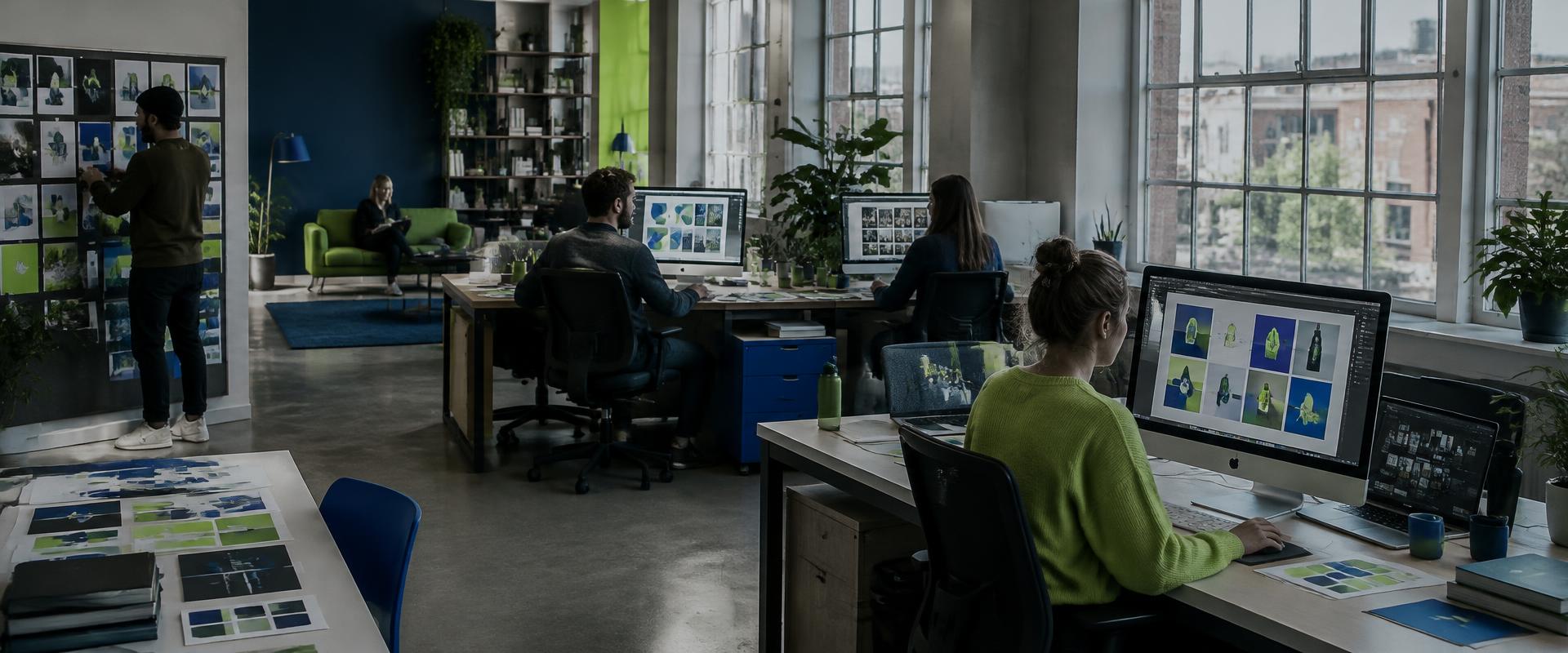
When you look for a web design Burnley partner, ask whether they handle both design and development in-house or if they subcontract parts of the work. Knowing this helps set expectations for communication, timelines, and accountability.
What a Good Local Web Design Process Looks Like
A structured process is a sign of a professional approach. While every designer works slightly differently, a typical project might follow these stages:
- Discovery: The designer learns about your business, your audience, and your goals. They may ask about competitors and your brand guidelines.
- Planning: A sitemap is created, outlining the pages and their hierarchy. Wireframes may be drawn up to show layout without the final design details.
- Design: The visual style is developed. You will likely see mockups of key pages, often starting with the homepage.
- Development: The design is coded into a working website, integrated with any necessary tools or platforms.
- Testing and launch: The site is checked across devices and browsers, content is proofread, and the site goes live.
- Post-launch support: Ongoing maintenance, updates, and backups are handled by the provider.
A clear process reduces misunderstandings. If a potential partner cannot explain how they work, that may be a red flag.
Platforms and Technologies to Consider
The technology behind your site affects how easy it is to update, how fast it loads, and how much it costs to maintain. Common options include:
- WordPress: Powers a huge portion of the web. Flexible, with many plugins, but can become slow or insecure if not maintained properly.
- Shopify or WooCommerce: Purpose-built for e-commerce. Shopify is a hosted platform; WooCommerce is a WordPress plugin.
- Custom-built sites: Developed from scratch for your exact needs. More expensive and time-consuming, but offer complete control.
- Website builders (Wix, Squarespace): Easy to use but limited in customisation and scalability. Good for very simple sites.
Ask your potential web design partner which platform they recommend and why. Their reasoning should relate to your specific needs, not just their own preference.
Ongoing Care and Hosting
A website is not a one-time project. It needs hosting, security updates, backups, and occasional content changes. Some designers hand over the site files and leave you to arrange hosting elsewhere. Others offer a managed service that includes hosting and ongoing care.
Managed hosting can save you time and prevent problems. If your site breaks or gets hacked, having a single point of contact who can fix it quickly is valuable. Ask what happens after launch: who handles updates, how quickly they respond to issues, and what the ongoing costs are.
For businesses in Burnley, finding a provider that offers both design and ongoing support can simplify things. You do not want to chase different companies every time something needs changing. A single relationship with a reliable partner is often more practical.
Local Knowledge and Accessibility
Working with someone local has practical benefits. You can meet face to face, they understand the local market, and they are likely to be familiar with the types of businesses in the area. When you search for web design Burnley options, you are likely to find agencies and freelancers who have worked with other local companies and understand the regional context.
That said, local is not everything. A designer based elsewhere may offer exactly what you need at a competitive price. The key is to assess their portfolio, communication style, and reliability, regardless of location. But if you value being able to sit down with someone in person, a local partner is probably the better fit.
Red Flags to Watch For
Not every web design provider is a good choice. Watch out for these warning signs:
- Vague or no portfolio. If they cannot show you real sites they have built, be cautious.
- Unusually low prices. Cheap upfront quotes often mean hidden costs or poor-quality work.
- No contract or clear scope of work. You should know exactly what is included and what costs extra.
- Poor communication. If they take days to reply to your initial enquiry, imagine what happens after you pay.
- They promise top rankings on Google. No one can guarantee that, and anyone who does is misleading you.
Trust your instincts. If something feels off during the sales process, it will probably feel worse once the project starts.
Planning Your Budget Realistically
Web design costs vary enormously. A simple site might cost a few hundred pounds, while a complex e-commerce store can run into thousands. The important thing is to understand what you are paying for. A detailed quote should break down design, development, content creation, hosting setup, and any ongoing fees.
Remember that cheap often ends up expensive. A low-cost site may look fine at first but can be difficult to update, slow to load, or built on outdated technology. Investing in a solid foundation saves money and frustration in the long run.
Buzz Media Marketing ltd, based at Unit 228, Northlight Industries, Pendle Rd, Brierfield, Nelson BB9 5FL, UK, provides affordable web design, development, hosting and ongoing website care for businesses in Burnley and surrounding Lancashire areas, and can be reached at +44 1282 501535.